
Silke Ackermann & JC Niala
This year we are delighted to be offering private tours of the History of Science Museum in Oxford. These will be hosted by the Museum Director, Dr Silke Ackermann and Deputy Director, Dr JC Niala. Expect a tour with a themed, story-rich context supplied by the two most senior staff of this prestigious University of Oxford facility.
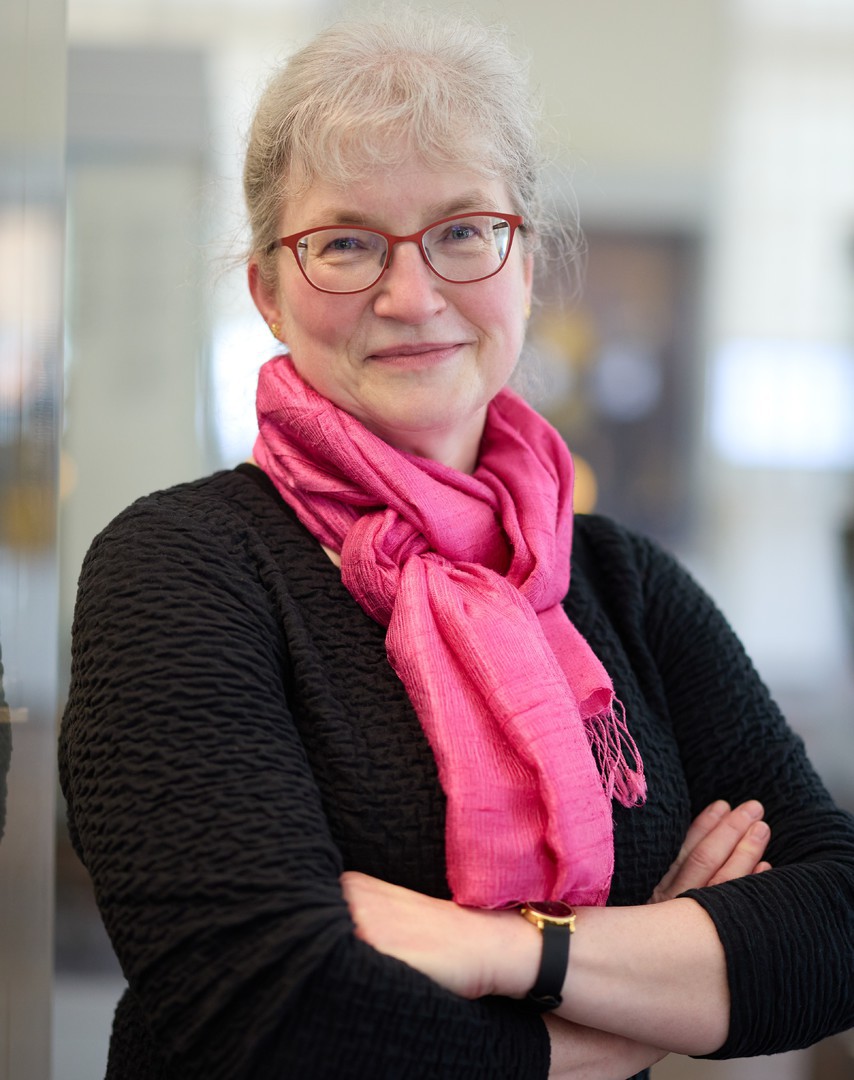
Dr Silke Ackermann FSA
Director of the History of Science Museum
Dr Silke Ackermann is the Director of the History of Science Museum of the University of Oxford. She leads on Vision24, her ambitious strategy for a complete transformation of the Museum under the strapline: ‘Explore science – discover humanity’.
Dr Ackermann has been leading the sector in using the universal language of ‘science’ (in the sense of the Latin scientia,or knowledge) to research, teach, and share what unites – rather than what divides – us.
Her innovative approach to using objects to explore common questions across the cultures, rather than the traditional approach of (for example) ‘Western Science’ versus ‘Islamic science’, has been shifting the cultural discourse and is creating safe and respectful spaces that are open to all for the exchange of ideas.
Dr Ackermann is a passionate advocate for empowering people and strives to democratise knowledge to enrich the histories and stories that objects can tell about all of us.
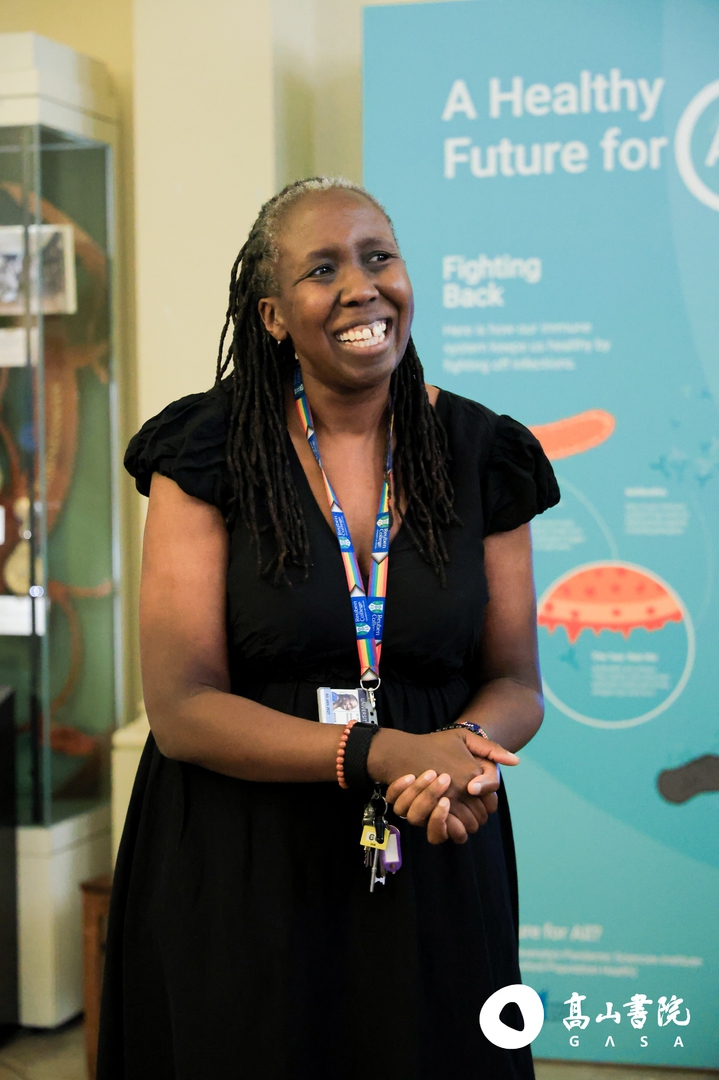
Dr JC Niala
Deputy Director; Head of Research Teaching and Collections
Dr Niala’s work at the History of Science Museum is an amalgamation of her passion for exploring global histories, science, and the impact of museology.
Dr Niala’s research is centred on the social and cultural histories of science, with a particular focus on how knowledge is created, transmitted, and experienced across different communities and contexts. She works at the intersection of history, heritage, and contemporary practice, often using interdisciplinary and creative methods to explore how we understand the past and engage with it today.
One strand of her research explores the environmental and cultural history of agriculture, particularly through the AHRC-funded project Milking It, which examines the complex relationships between people, land, and livestock.
A second strand investigates the role of science in colonial contexts. Through the UKRI-AHRC-funded project Colonial Standards she studies mathematical practices and instrument collections in India and the UK from the 9th to the 19th centuries, focusing on how they became mechanisms of control as well as creativity.
 Print
Print 